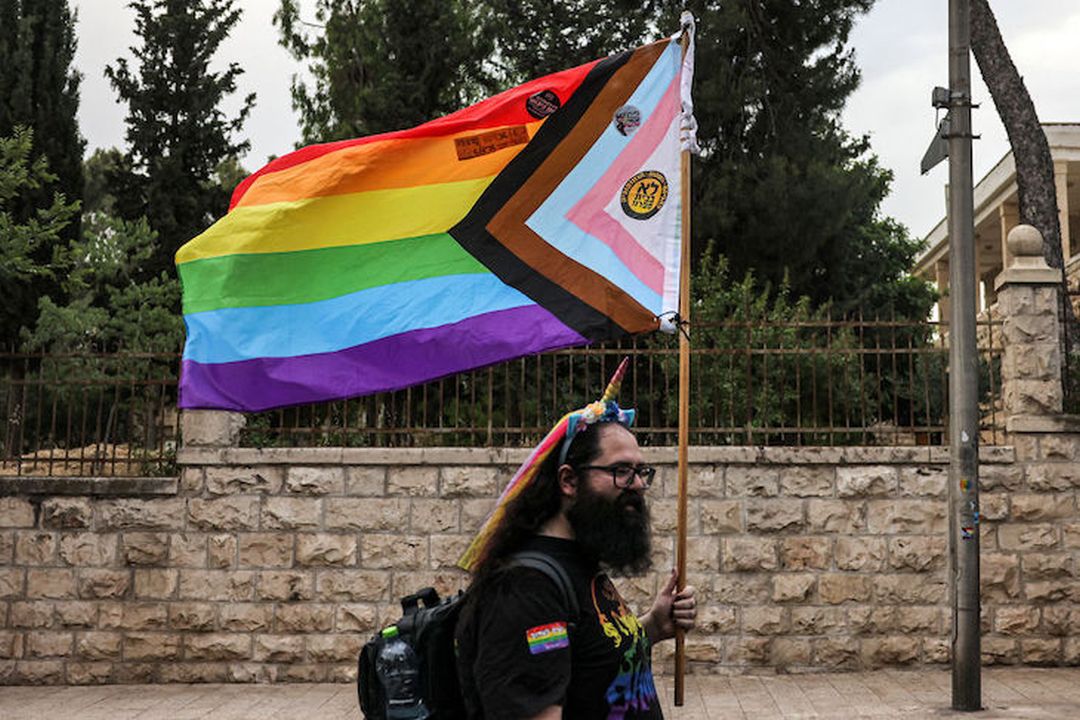
If the LGBTQIA+ community has become a church for the new millennium, it is certainly attracting adherents across the world. A survey by Ipsos of 22,500 adults across 30 countries showed that nine per cent of adults now identified as LGBT+. Among Generation Z – those born after 1997 – the figure is even higher: 14 per cent claimed to be LGB, 2 per cent said they were asexual, and 6 per cent placed themselves somewhere under the transgender umbrella.
The survey makes it clear that ‘the visibility of LGBT+ people has increased’ in just a few years. In Pride month, this might come as little surprise: we are subjected to a constant barrage of ‘visibility’, with corporations and big businesses jumping on the bandwagon. But is this actually helpful for LGBT people like me? I fear it’s not and that, instead, we have moved beyond the point where individuals merely identify as LGBT+, and into a new world where they are defined by their sexuality or supposed gender identity.
The impact of this on youngsters worries me. The increase in LGBT+ identification is not in the ‘traditional’ categories. About 3 per cent of Gen Z say they are homosexual, the same as the population as a whole. Many of the extra responses are due to those who identify as bisexual, pansexual, omnisexual or asexual. But what does being pansexual or omnisexual really mean? There are only two sexes, despite what these youngsters might have been told. And never before, it seems to me, has a low sex-drive – or perhaps even a fear of sex – been something that people forge into an identity.
Transgender-identification, however, can come with even more serious consequences. In developed western societies, it’s not discrimination that we need to worry about – despite 67 per cent of those surveyed agreeing that ‘transgender people face at least a fair amount of discrimination’ – but the potential impact on our bodies. I know; I have been there.
Twelve years ago, I developed an obsessive need for hormone therapy and gender reassignment surgery, something that was driven by the availability of those treatments. But by that time I was settled in life and I had fathered my children. Had I been exposed to that possibility of hormones and surgery in my teens, my life would have been radically different – but I’m not sure it would have made me any happier.
Unfortunately, this is something that many adults – keen to empathise, or even not to offend youngsters – fail to understand. When asked about their views on teens’ access to so-called gender affirming care, six in ten said that, ‘with parental consent, transgender teenagers should be allowed to receive gender-affirming care (e.g., counselling and hormone replacement treatment)’. Those are two very different approaches. Counselling, certainly, is wise. But cross-sex hormones for youngsters who have not experienced what it means to be an adult? That is experimental treatment that, for some children, will have life-long repercussions – and it is right that we view it with caution.
Debbie Hayton is a teacher and journalist.
* This article was first published by The Spectator on 7 June 2023: Is the rise in ‘trans visibility’ something to celebrate?

 Debbie Hayton
2 replies on “Is the rise in ‘trans visibility’ something to celebrate?”
As a gay man, I don’t like the yearly hoopla over “pride”. Except when I was trying to meet someone, I just wanted to be anonymous. I think most gay people feel that way. What is there to be proud of? The people who push that word think it is the opposite of “ashamed”, but it isn’t.
Trans people are different, however. They need the confirmation of being seen as the sex they want to be in order to feel that they are “passing” successfully. I think this need to be seen is what drives them to sometimes seek publicity. I admire Debbie, but even Debbie seeks publicity. Her picture is all over this site, and she has been interviewed quite a few times. She is definitely a public figured.
What surprises me about the survey is that so few people want to be known as “gay”. Both Christianity and Islam have given homosexuality a bad name. If it was ever fashionable, it certainly isn’t any more.
LikeLiked by 1 person
You have great insights. I worry about how twisting reality. Indulging children to identify as they feel. They feel like a cat or dog or horse something they love and feel close to. This grows unchecked. Growing into adulthood. Where does this lead? Communion with non human.
LikeLiked by 1 person